By Late-Q3, the typical US buyer's monthly payment reached $2.6K, a 14-mo high, as mortgage costs climbed and median sale prices held firm.
The national median home-sale price ↑~2% yearly to ~$399K, adding affordability pressure and helping keep pending sales flat MoM and lower yearly.
Mortgage-purchase applications were slightly lower recently, while new listings fell MoM around holiday timing but still stayed modestly above the comparable 2025 period.
Seller strategy mattered more: ~21% of active listings cut prices, and an agent noted sharper pricing helped attract attention while overpricing created hesitation.
Inventory also improved, with active supply ↑~2% yearly to 1.5M homes and supply near 4 mo, still shy of a balanced market.
Blog
-

US Buyers Navigate 14-Month Cost High
-

US Existing Home Sales Hit a 14-Month Low
The latest national numbers show US existing-home sales dipping below 4 million in mid-Q3, marking a 14-month low at a 3.98M annual pace—a clear sign that buyers are approaching with a bit more caution. Mortgage rates hovering near 7% for a 30-year fixed have certainly played a role, while supply has grown to 4.9 months, giving buyers many more options to consider as listings accumulate across the country. Even so, the median existing-home price set a new mid-Q3 record at $429,100, with higher-end homes continuing to drive much of the activity. What’s standing out to me: first-time buyers are still a meaningful force, making up 30% of purchases, and cash deals account for 27%. Homes are typically spending 31 days on the market. With rising wages and steady job gains supporting demand, buyers are gaining more leverage to negotiate—something I’ve seen firsthand here in Beverly Hills and Los Angeles. My background, growing up around dealmakers and spending decades guiding everyone from first-timers to seasoned investors, reminds me that every shift in the market brings new opportunities to find the right fit for each client.
-

US Data Centers Split Housing Outcomes
The latest trade-group study on U.S. data centers paints a nuanced picture for real estate: while areas with a concentration of these facilities see stronger median home values ($431.75K) and higher household incomes (around $89K), they also face increased utility costs—a factor that tops client concerns at 61%, with water use close behind at 56%. Across the country, these centers are far from common: 92% of counties have none, and just 1% host ten or more. Notably, the top 10 counties hold 42% of all data centers, underscoring how localized these impacts can be.
Broker perspectives remain divided; 25% of agents report residential gains near data centers, while 22% note declines. Commercially, half see value increases, and 42% observe stronger land demand. For those of us navigating complex transactions in dynamic markets, this underscores just how important local expertise is—especially when balancing the potential for higher property values with the realities of rising utility costs. Having grown up immersed in the industry and now specializing in luxury properties from Beverly Hills to Los Angeles, I always keep a close eye on these trends to help my clients make informed decisions tailored to their unique needs and goals.
-

New Metrics Highlight Opportunities for California Homeownership Growth
A new way of measuring homeownership—looking at individual adults rather than households—shows that only 41% of Californians own their home in 2025. That’s more than 10 points below the national average, and a signal of how affordability challenges continue to shape our state’s landscape. We’re seeing similar patterns in Texas and Florida, too, as high living costs make homeownership a bigger hurdle nationwide. After three decades navigating LA and Beverly Hills real estate, I’ve witnessed firsthand how these shifts impact clients at every stage, from first-time buyers to seasoned investors. Whether you’re just starting out or searching for your next opportunity, understanding these trends is key to making smart decisions in today’s evolving market.
Continue to full article -

buying a luxury property is easier than you think you just right agent to help you dont to spend 5M to feel luxury
After three decades working with buyers and sellers in Beverly Hills and Los Angeles, I’ve learned that a luxury home is more about the experience than the price tag. You don’t have to spend $5M to feel that sense of elegance and comfort—what matters is having the right agent by your side, guiding you through the process and uncovering options that truly fit your lifestyle. Raised in a family of real estate professionals, I know where to look for value, even in the most competitive markets. Whether you’re a first-time buyer or a seasoned investor, I take pride in matching you with a place that feels just right—luxury included.
Continue to full article -
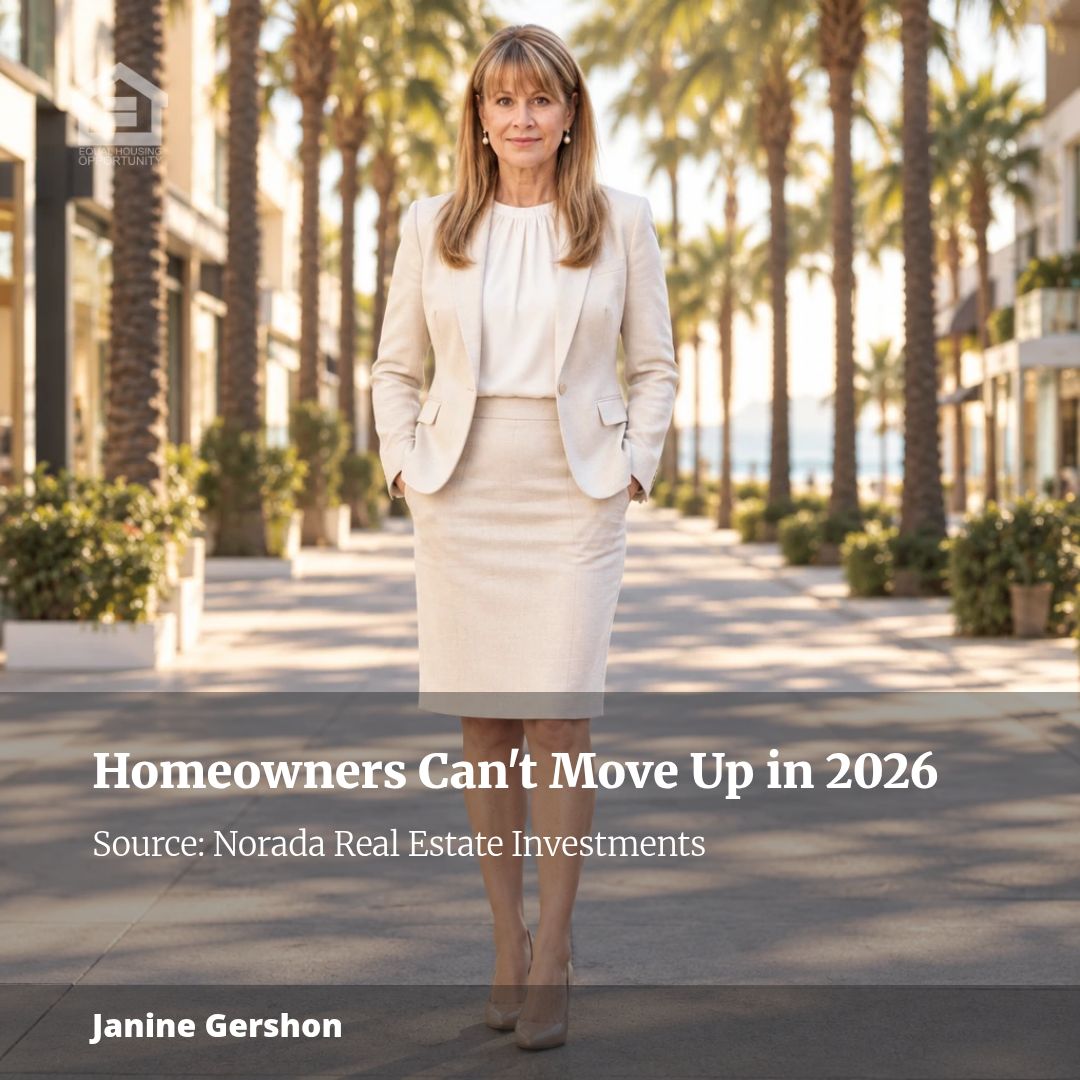
Homeowners Sit on Record Equity — Why Most Still Can’t Afford to Move Up in 2026
U.S. mortgage holders held a record $18 trillion in home equity in Q2 2026, with $11.7 trillion tappable equity. Despite this wealth, many cannot afford to move up due to higher replacement mortgage rates near 7%, increased taxes, and insurance costs, which raise monthly payments significantly. This "equity paradox" means owners often stay put, renovate, rent out, downsize geographically, or use bridge financing instead of trading up.
Continue to full article -

U.S. Sellers Adjust Prices for Autumn
As we move into autumn, I’m seeing sellers across the country adjust their expectations—reflected in a roughly 2% year-over-year drop in median listing price per square foot in mid-Q3. After nearly a year of gradual declines, many homeowners are now more open to trimming asking prices, especially after years of rapid appreciation. Higher mortgage rates and broader economic uncertainty have made buyers more deliberate, taking extra time to evaluate both financing options and property values.
In my three decades in real estate, I’ve often found that shifting seasons bring new opportunities for well-prepared buyers. Right now, increased housing supply is giving pre-approved clients more room to negotiate, revisit neighborhoods that might have felt out of reach, and secure terms that work for their long-term goals. With my background navigating complex transactions—from first-time purchases to luxury estates—I understand how to leverage these evolving market conditions for my clients’ benefit, whether they’re searching for the perfect family home or a strategic investment.
-

Fed Rate Hike Reshapes U.S. Housing Plans
A recent central bank hike pushed its benchmark rate to near 4%, signaling a higher-rate backdrop that influenced housing sentiment across buyers, sellers and agents.
Agents faced two key tasks: resetting seller expectations and helping buyers weigh monthly payments alongside paychecks, groceries, gas, childcare and other budget pressures.
An expert said mortgage rates had already climbed from ~6% in Mid-Q1 to ~7% recently, reflecting oil-driven inflation worries more than the benchmark move alone.
Pressure was expected to appear first in transaction volume, not short-term pricing; an expert said local legislation shaped prices more directly overall.
Officials' projections pointed to at least one more rate increase by Late-Q4, suggesting affordability pressure would persist and brokers faced another season of client conversations. -
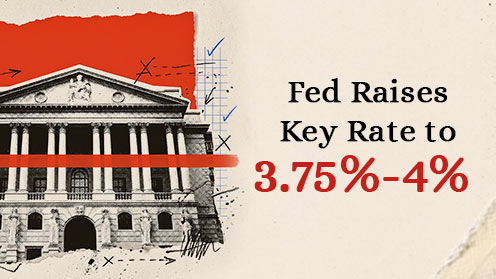
Fed Raises Key Rate to 3.75%-4%
The Fed has just raised its key rate by 0.25%, bringing it to a range of 3.75%-4%—the first increase since July 2023. With inflation still running above the Fed’s 2% target, officials have hinted that another hike could be on the horizon this year. As someone who’s spent three decades navigating the ebbs and flows of the Beverly Hills and Los Angeles real estate markets, I know how shifts like these can impact both buyers and sellers. Whether you’re considering timing a move, strategizing your next investment, or simply wondering how this might affect your purchasing power, staying informed is essential. The Fed’s next meeting is set for October 27-28, 2026, when they’ll take another look at inflation and broader economic trends. In markets where every detail matters, understanding these decisions can help you make choices with confidence.
-

An Evening With the Mayor: Beverly Hills, Together
Beverly Hills community members, civic leaders, and business professionals are invited to An Evening With the Mayor: State of the City 2026 on September 23, 2026, at Greystone Mansion. Mayor Craig Corman will deliver the annual State of the City address, followed by a reception designed for connection and conversation. The evening offers a valuable opportunity to hear about city priorities, explore what lies ahead for Beverly Hills, and meet others invested in the community’s future. As a local real estate professional, I’m proud to highlight events that bring neighbors and leaders together. Save the date and join the conversation.
Continue to full article