Blog
-
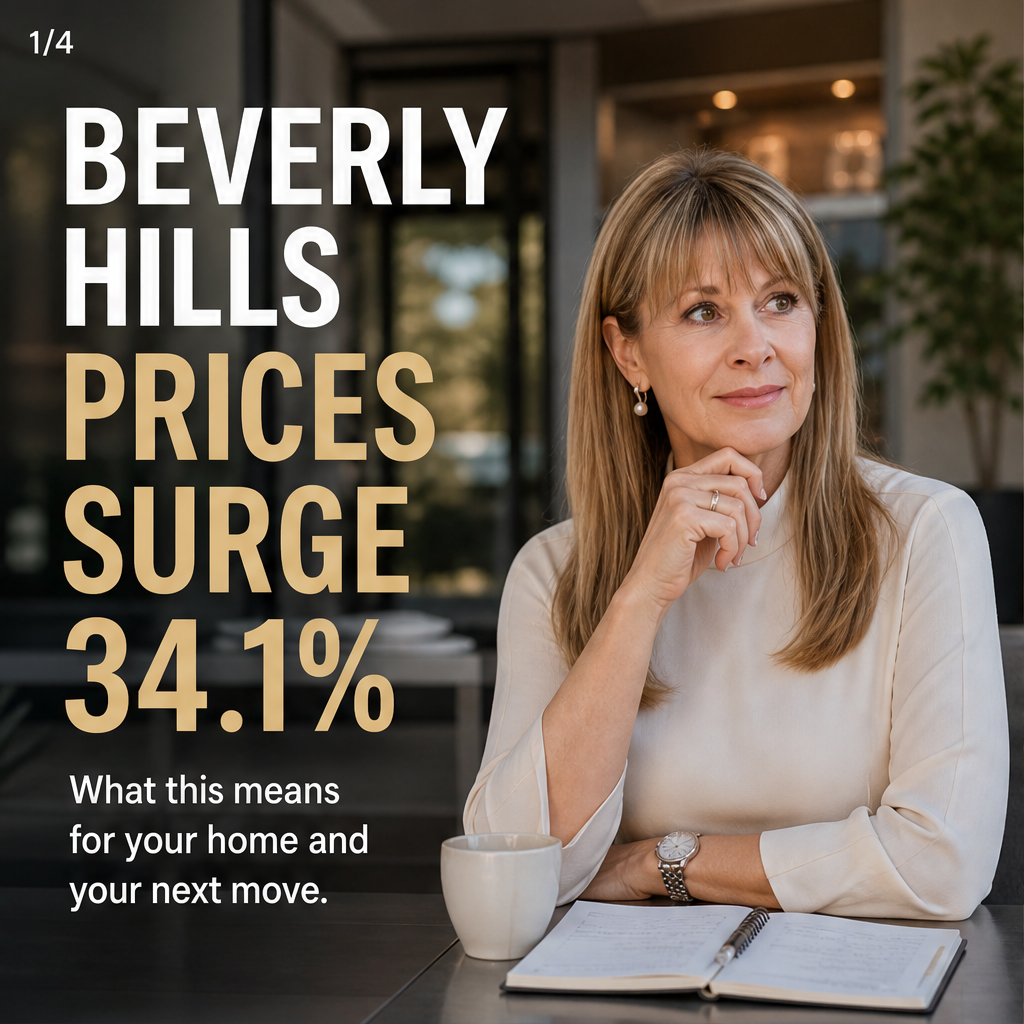
Beverly Hills Prices Surge 34.1%
Beverly Hills continues to command strong luxury-market value. The median sale price reached $4.02 million, up 34.1% year over year, while the median list price climbed 16.7% to $3.96 million. With values at approximately $1,290 per square foot, demand remains resilient. However, homes sold for an average of 96.5% of list price, highlighting the importance of accurate pricing and expert negotiation. Whether you are considering selling, buying, or simply tracking your equity, these trends offer valuable insight into the market. Connect with a Beverly Hills real estate professional for a tailored strategy.
Continue to full article -

California’s Dynamic Population Trends Highlight New Opportunities
Recent research shows that California is one of only five states to experience a population loss last year, with a modest decline of 0.02%—about 9,465 residents—from 2024 to 2025. While overall U.S. growth dipped below 1%, Vermont saw the steepest drop among states. Here in California, our median age stands at 39, with 5.21% of our population under age five and 17.5% over 65.
Having spent my career at the heart of Los Angeles real estate, I’ve witnessed the nuances behind these statistics—how shifting demographics, from young families to aging residents, subtly influence our local housing landscape. My decades of work connecting buyers and sellers across LA, from affordable condos to luxury estates, have given me unique perspective on what these trends may mean for our neighborhoods and clients. Understanding who is coming and going helps inform not only market values, but also the way we approach every transaction in our dynamic city.
Continue to full article -

California’s Down Payment Wait: 14.7 Years
It’s no secret that saving for a down payment in California is a marathon, not a sprint: the current data shows it takes the average household 14.7 years to save up 20% for a median-priced home at $776,200, given a median income of $105,600. For those earning minimum wage, that timeline stretches to a staggering 44.2 years. Geography shapes so much of our market—our coastline, the mountains, and protected open spaces have concentrated demand (and driven up land values) along coveted corridors from Downtown LA to Malibu and beyond. Add to this a longstanding property tax structure that incentivizes homeowners to stay put, and it’s easy to see why inventory is tight. Meanwhile, robust job growth in technology and health care continues to bring new buyers into the market, fueling demand. Unless wage growth can consistently outpace home price appreciation, this saving timeline will remain a reality for so many. As someone who has spent decades helping clients navigate Los Angeles real estate, I can’t emphasize enough how crucial it is for first-time buyers to think strategically and plan for the long term in this unique, dynamic market.
-

Los Angeles Late Summer Home Checkup
As summer winds down in Los Angeles, I always encourage my clients—whether you own a Bel Air estate or a Malibu pied-à-terre—to take advantage of this quieter moment for a thoughtful home checkup. Late summer is an ideal time to assess your property’s comfort, outdoor living appeal, and long-term value, especially before the seasons shift or travel plans call you away.
After months of heavy cooling, your home’s HVAC deserves attention: schedule maintenance, replace filters, ensure air flows seamlessly, and confirm your thermostats and multi-zone systems are properly calibrated. Our city’s signature heat and dry air can be tough on gardens, so now’s the time to inspect sprinklers, drip lines, and drainage—look for dry patches or overwatering, particularly near foundations.
For those with pools, spas, or outdoor kitchens, a quick review goes a long way: water testing, filter cleaning, equipment and gas-line checks, grill maintenance, and pest-proof storage keep your spaces guest-ready. Don’t overlook exterior finishes; the late-summer sun can be surprisingly harsh on stucco, trim, gates, fencing, paint, windows, and entry lighting.
Finally, smart home features and security systems deserve a review—cameras, smart locks, automation, leak sensors, alarms, and temporary access codes should all work smoothly to support your lifestyle. My decades of working with Los Angeles’ most discerning homeowners have shown me that these small, proactive steps not only protect your investment but also ensure your home remains a sanctuary, season after season.
-

California’s cheapest place to live in 2026 is a quaint alpine city less than 3 hours from L.A., where median home prices are just $325,000
As someone who’s spent decades immersed in California real estate—especially here in Los Angeles—I’m always keeping an eye on affordability trends across our state. For those curious about options beyond the hustle and bustle of LA, Porterville is projected to be California’s most affordable city in 2026, with median home prices around $325,000 and rents at $1,358. That’s 12% below the state’s average cost of living. For clients or colleagues evaluating diverse opportunities, it’s worth noting that other accessible markets include Fresno, Bakersfield, and Sacramento. My experience navigating everything from luxury estates to entry-level homes throughout Southern California continually reminds me just how dynamic our state’s real estate landscape can be—there’s truly something for every stage of life and investment goal.
Continue to full article -
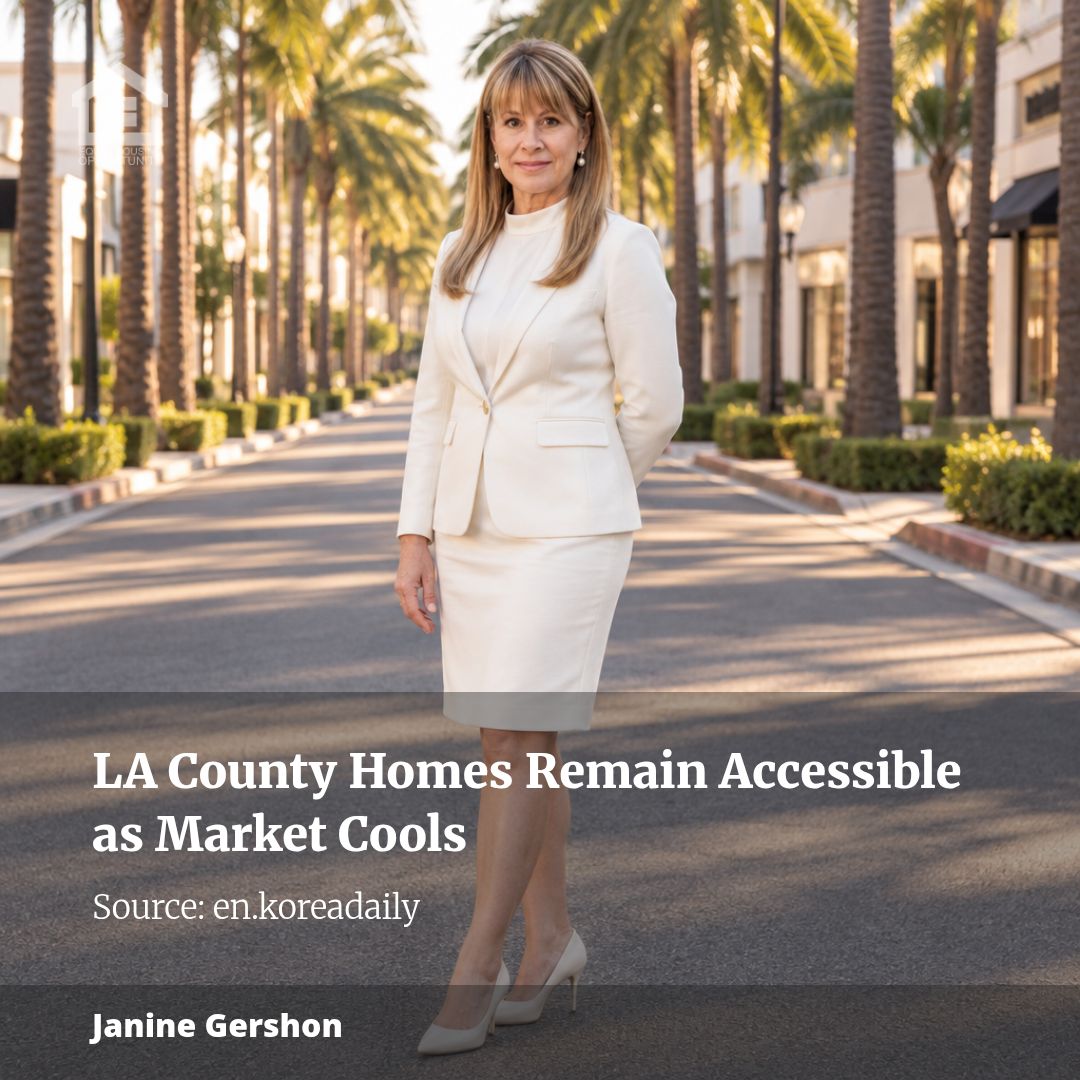
LA County Homes Remain Accessible as Market Cools
With over 35 years rooted in the Los Angeles real estate community, I keep a close watch on local market shifts—and the latest data tells a nuanced story. In LA County, home prices dipped by 2.6% and sales edged down 0.9%, a reflection of the persistent pressure from high mortgage rates. Meanwhile, Orange County saw a very different trend: prices climbed 5.4% with a slight uptick in sales. Statewide, both prices and sales posted modest increases. My experience as a Certified Residential Specialist and deep familiarity with LA’s distinct neighborhoods help me guide clients through these complex market dynamics. Whether you’re buying or selling, understanding these subtle changes can make all the difference in your real estate journey.
Continue to full article -

Is California one of the best states to call home?
California often sparks debate as a place to call home, and it's always interesting to see how it stacks up in national rankings. Recently, California placed 31st overall among the states, landing last in affordability and 38th in safety, but it ranked an impressive 2nd in quality of life and 15th in economy. Idaho and New Jersey were at the top, with New Mexico coming in lowest.
Having spent over 35 years immersed in the Los Angeles real estate community, and as someone with deep roots in our diverse neighborhoods, these numbers are a reminder that California offers a complex blend of challenges and rewards. The quality of life here—whether it’s our cultural vibrancy, weather, or access to amenities—remains a significant draw for many of my clients, despite concerns about affordability and safety. Navigating these factors is part of what I do every day, helping clients weigh the tangible and intangible aspects of making California, and especially Los Angeles, their home.
Continue to full article -

California: $212K Income to Buy a Home
California’s current housing landscape is truly challenging, even for households with respectable incomes and diligent savings habits. As someone who has lived and worked in Los Angeles real estate for over 35 years, I see firsthand how the dream of homeownership is shifting. With California’s median home price hovering near $930,000, the annual income needed to buy has soared to roughly $212,000—far surpassing the typical household income of $116,000. In the Bay Area, the numbers are even more striking: a typical home now sits around $1.4 million, underscoring how ownership increasingly feels like a privilege rather than a given.
Many families with steady jobs and years of careful planning still find themselves struggling to enter the market. While strategies like increasing savings, reducing debt, or considering moves farther from core job centers can help, budgeting alone often isn’t enough to bridge the gap. It’s clear: the conversation around affordability now centers on who California homeownership is still attainable for, as ordinary working families face the real risk of being priced out.
Having guided clients through both luxury and more affordable markets across Los Angeles, I understand the complexity behind these numbers and the emotional toll they can take. Navigating this market requires not only financial strategy but also a deep understanding of local dynamics and opportunities.